Start with your skin, not a shopping list
A shelf full of skincare can be oddly unhelpful when you are trying to work out what to buy next. One person swears by a rich face cream, another says a lightweight gel changed everything, and suddenly an ordinary moisturiser feels like a difficult decision. The better starting point is not a product category. It is how your skin is behaving today.
Look at what happens after cleansing, how your skin feels by lunchtime, whether certain areas become shiny and whether products regularly sting or leave you uncomfortable. Those everyday clues are often more useful than trying to fit your skin into one permanent label. Season, hormones, medication, climate and your existing routine can all influence what your skin needs.
Skin type and skin concern are not the same thing
Skin type describes general patterns such as oiliness or dryness. A skin concern is something you would like to address, for example blemishes, dullness, uneven tone or visible fine lines. You can have oily skin that feels dehydrated, dry skin that is also prone to breakouts, or combination skin that becomes sensitive in winter. That overlap is normal.
Dry skin versus dehydrated skin
Dry skin tends to have less natural oil and may feel rough, flaky or uncomfortable. Dehydration means there is too little water in the outer skin layers and can happen even when skin looks shiny. The distinction matters: a dehydrated complexion may benefit from a hydrating layer, while persistently dry skin often needs a moisturiser with enough emollient richness to help reduce moisture loss.
What should you look for in products for your skin?
If your skin is dry or often feels tight
Choose a cleanser that leaves skin comfortable rather than squeaky clean, and pay particular attention to your moisturiser. Creamier textures can be useful for dry skin because they often contain more emollient ingredients. Humectants such as glycerin and hyaluronic acid help bind water, while ingredients such as ceramides and carefully chosen oils can contribute to skin comfort and moisture retention.
It is worth noticing when dryness happens. If your face feels tight mainly after washing, your cleanser may be part of the problem. If it becomes uncomfortable in the afternoon, a different moisturiser texture or application routine may help.
If your skin is oily or prone to blemishes
Avoid the temptation to strip away every trace of oil. Strong cleansing can leave skin feeling uncomfortable without fixing the underlying reason it produces sebum. A gentle cleanser and a lightweight moisturiser may be more pleasant than repeatedly washing or skipping moisturiser altogether.
Look for textures you actually like wearing, especially under SPF or makeup. Niacinamide is one ingredient often used in products intended for oily or blemish-prone skin, although the complete formulation matters more than the presence of a single ingredient.
If your skin is combination
Combination skin rarely needs every area of the face treated identically. Your forehead and nose may feel oily while your cheeks need something more nourishing. Start with a gentle overall routine, then adjust how much moisturiser you use in different areas.
If your skin is sensitive or easily reactive
Keep the routine short while you work out what your skin tolerates. Simple cleansing, an appropriate moisturiser and suitable sun protection are a reasonable foundation. Its helpful to read ingredients in a product to establish what your skin can tolerate. Some skin types a highly reactive to preservatives and fragrance. It maybe best to opt for fragrance free options under these circumstances.
If your skin looks dull or you are noticing changes in texture
Dullness can have several causes, including surface dryness, uneven texture and environmental exposure. Good hydration and regular sun protection are sensible starting points. A target serum can really help boost the skin. We also recommend regular exfoliation to keep cell turnover optimal.
Build a routine around the essentials
Our four steps guide to cleanse, tone, serum and moisturise is a really useful place to start building your routine. Its a really useful way to understand different product types and set up some good habits to go forward with.
Cleanse without leaving the skin stripped
A cleanser needs to remove sunscreen, makeup, daily grime and excess oil while leaving the face comfortable. Choose its texture according to your preference and skin response, not the amount of foam it produces. If a product regularly leaves your skin tight or itchy, that is useful feedback.
Moisturise in a texture you will use consistently
Lotions, creams and richer balms are not interchangeable for everyone. A light lotion may suit somebody who dislikes heavy textures, while drier skin may prefer a cream. Applying moisturiser after cleansing, while skin is still slightly damp, can help it feel more comfortable.
Protect your skin from UV exposure
An everyday morning routine should include appropriate sun protection. If your moisturiser contains SPF, check whether the level and amount applied are enough for your circumstances.
Where do toner, mist and serum fit?
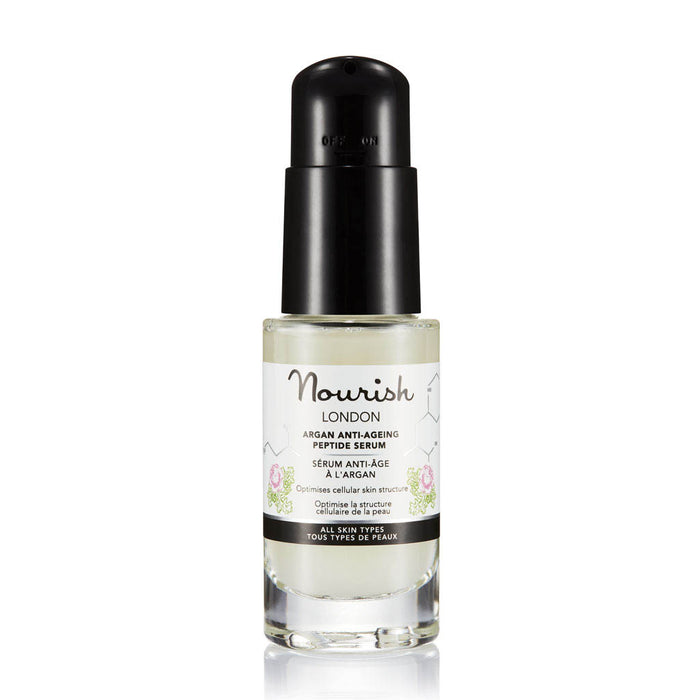
A toner or hydrating mist can be a valuable addition to your skincare routine after cleansing, helping to refresh the skin, close pores, replenish surface hydration and leave it feeling soft, comfortable and ready for the next step. It can also help prepare the skin for the application of a serum or moisturiser, allowing products to layer comfortably. A targeted serum can then provide additional care for specific skin concerns. While neither step is essential for everyone, choosing products that complement your skin's needs can make your daily routine more enjoyable and effective. Our guide to layering skincare explains how each texture works together to support healthy, hydrated skin.
Choose ingredients for a purpose, not because they are fashionable
There is no magic ingredient that works for everyone. Hyaluronic acid and glycerin can support hydration, niacinamide is widely used in balancing formulations, and peptides appear in products designed to support the look and feel of ageing skin. Vitamin C derivatives are often included in antioxidant and radiance-focused formulas. Whether an ingredient is useful depends on its concentration, stability, the rest of the formulation and your own tolerance.
It also helps to be realistic about labels. Organic certification and vegan choices can be important for personal values, but neither automatically tells you whether a particular cream will suit your skin. Nourish London’s formulation approach considers how the ingredients work together in the finished product, rather than relying on one fashionable headline active.
How to try new skincare without making your routine complicated
Change one thing at a time
If you replace your cleanser, serum and moisturiser on the same day, you may struggle to know what helped or caused irritation. Start with the product that answers your clearest need, check the usage instructions and introduce it carefully. If you have a history of reactions, testing a small area first is sensible. Stop using anything that causes irritation.
A simpler routine can be easier to judge
Simplifying your routine can be a really useful way to understand how your skin is responding to each product. This is particularly helpful if you have sensitive skin or trying to deal with a particular issue.
Give a new routine a reasonable chance, but do not ignore discomfort while waiting for a dramatic transformation. Skin response varies. Some changes in surface comfort can be noticed quickly, while visible cosmetic changes may take longer and depend on the concern being addressed.
Where can you start with Nourish London?
If you prefer a ready-made starting point, browse the Daily Essentials routine for an uncomplicated overview, the Hydration Routine when skin is feeling dry or tight, or the Sensitive Skin routine for a gentler approach. A routine is a guide, not a shopping obligation. It is perfectly reasonable to use one suitable product you already own and add only what is missing.
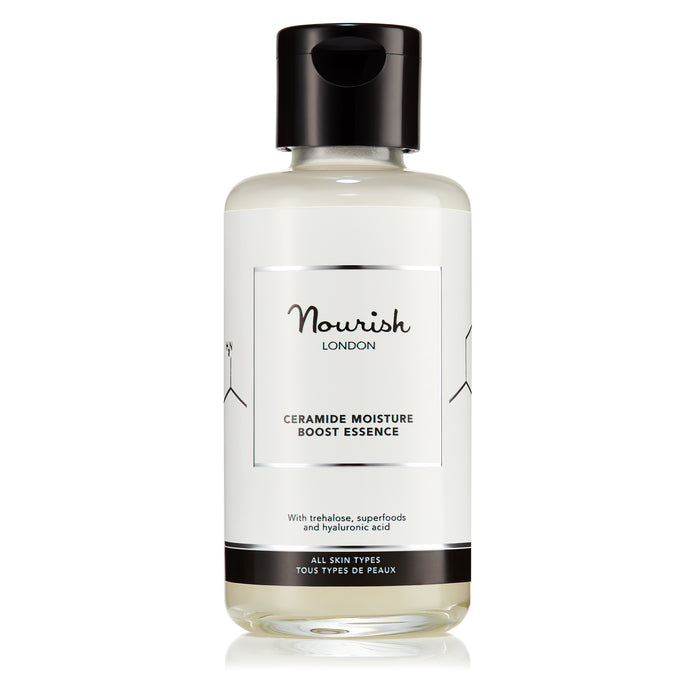
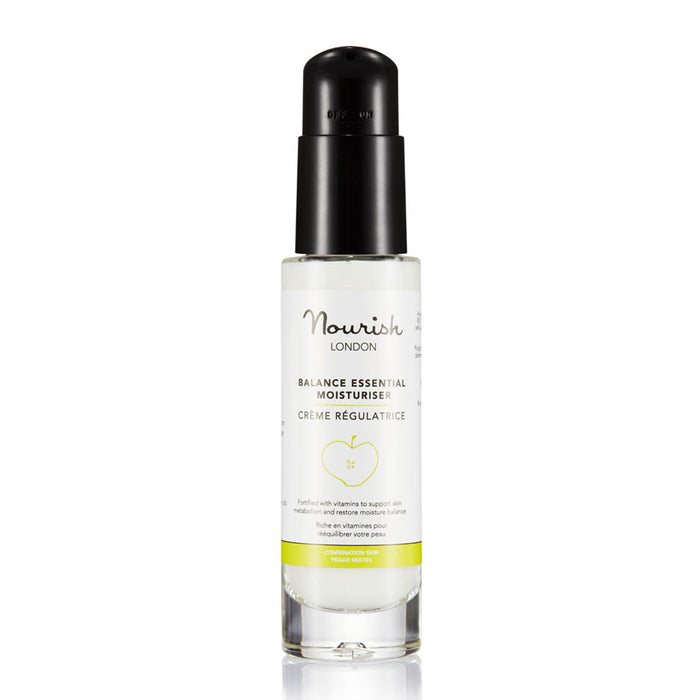
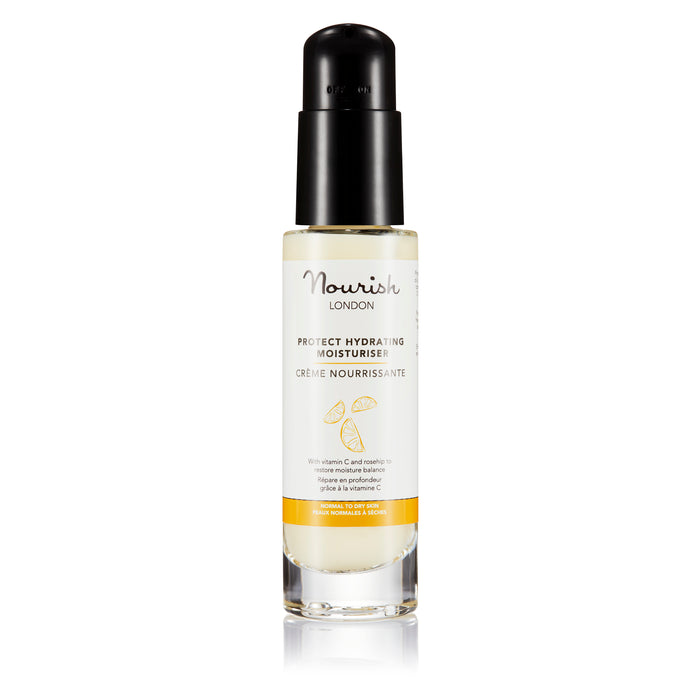
Different Nourish London products may suit different preferences: Kale 3D Cleanser is one option to explore for cleansing; Ceramide Moisture Boost Essence offers a lighter hydrating step; Balance Essential Anti-Blemish Moisturiser is positioned for oily or combination skin; and Protect Hydrating Moisturiser is intended for drier complexions. Individual suitability, full ingredient lists and availability should be checked on the product pages before making recommendations.
Reassess when your skin changes
A routine that feels lovely in January might feel heavy in July. Likewise, a busy period, a new medication or a change in hormonal stage can affect comfort, dryness and shine. You do not need to start from scratch every time. Sometimes changing the moisturiser texture or using a treatment less often is enough.
The right skincare is not the longest routine. It is the one that makes sense for your skin and can change when your skin does.