Regime & Routine

A Hydration Routine for Softer, More Comfortable Skin

Hydration is not simply about applying a rich cream. A balanced routine should cleanse without leaving the skin feeling stripped, replenish water, support the skin barrier and help reduce unnecessary moisture loss.

This routine brings together gentle cleansing, hydrating layers and nourishing products that can be adjusted depending on how the skin feels that day. It is suitable for skin that feels tight, dull, rough or temporarily dehydrated.

Hydration Routine

Who This Routine Is For

This routine is designed for skin that feels tight, uncomfortable, rough or less supple than usual. It may be especially helpful during colder weather, after travelling, following periods of over-cleansing or when indoor heating leaves the skin feeling depleted.

It can suit dry, dehydrated, mature and combination skin, although the texture and number of products should be adjusted to the individual. Oily skin can also become dehydrated, so hydration should not automatically mean using the richest products available.

This is a cosmetic skincare routine rather than treatment for eczema, dermatitis or another medical skin condition. Persistent soreness, cracking, inflammation or severe itching should be discussed with a pharmacist, GP or dermatologist.

Routine Steps

1. Cleanse

Begin with a gentle cleanser to remove makeup, sunscreen and daily impurities without leaving the skin feeling stripped. Use lukewarm rather than hot water and avoid repeatedly cleansing skin that already feels dry or uncomfortable.

2. Tone and mist

Apply a hydrating mist after cleansing. This helps refresh the skin and provides a light layer of moisture before serums and creams are applied.

3. Treat

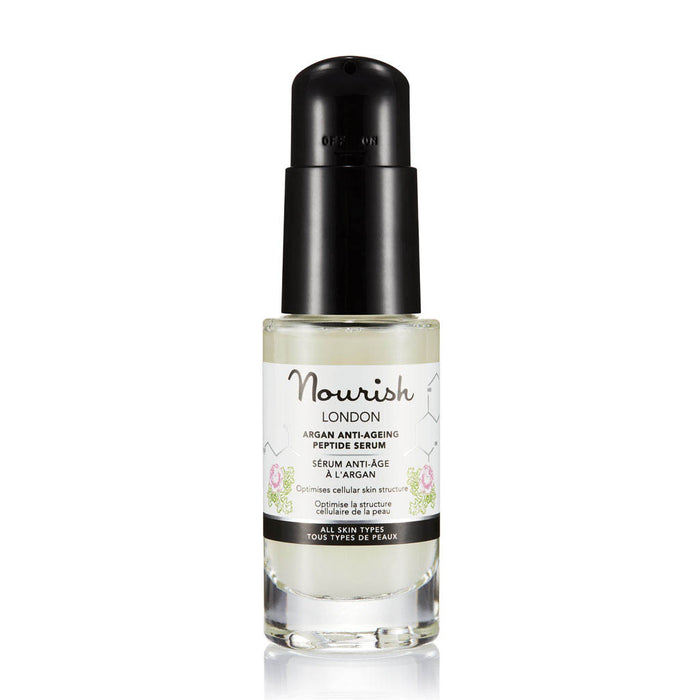
Use a hydrating serum or treatment containing ingredients such as hyaluronic acid, peptides, glycerine, panthenol or botanical extracts. Apply it to slightly damp skin unless the product instructions say otherwise.

4. Moisturise

Follow with a moisturiser suited to your skin. Lighter textures may be enough during the day, while dry skin may prefer something richer in the evening.

5. Protect

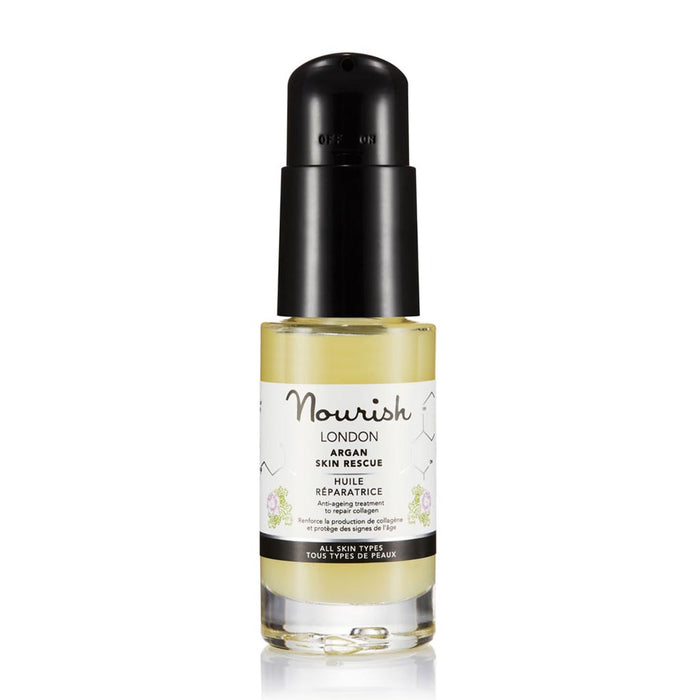
During the morning, finish with suitable sun protection. In the evening, very dry skin may benefit from a small amount of facial oil applied after moisturiser to help reduce moisture loss.

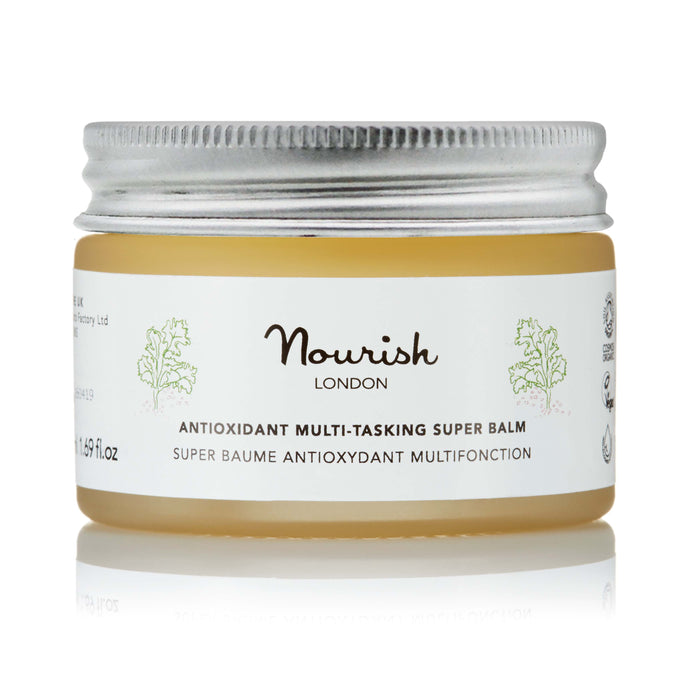
Products in This Routine

What Results Can You Expect?

The skin may feel softer and more comfortable immediately after completing the routine, particularly if tightness was caused by cleansing or environmental dryness.

With consistent use, the skin should appear smoother, more supple and less dull. Fine dehydration lines may also look less noticeable as moisture levels improve.

The exact timeframe varies. Temporary dehydration can improve relatively quickly, while persistent dryness or a disrupted skin barrier may take longer and may require changes to cleansing, exfoliation and product frequency as well as adding moisturiser.

Key Ingredients Across This Routine

Skin Concerns This Routine Supports

Frequently Asked Questions

What is the difference between dry skin and dehydrated skin?
Dry skin usually lacks enough natural oil, while dehydrated skin lacks water. Dry skin may feel rough or flaky, whereas dehydrated skin can feel tight and show more noticeable fine lines. Skin can be both dry and dehydrated, so a balanced routine may need both moisture-attracting ingredients and nourishing oils.
How many products do I need in a hydration routine?
A hydration routine does not need to be complicated. A gentle cleanser, hydrating treatment and suitable moisturiser are enough for many people. A mist, facial oil or additional serum can be added when the skin needs more support, but extra steps are not automatically better.
Should I apply hydrating products to damp skin?
Many hydrating serums and moisturisers work well when applied to slightly damp skin because this can help spread the product and retain surface moisture. Follow the individual product instructions, particularly when using stronger active ingredients alongside the routine.
Can oily skin use a hydration routine?
Yes. Oily skin can still become dehydrated. The main difference is usually texture. Lightweight mists, gels and serums may feel more comfortable than rich creams or heavy oils. Hydration should be adjusted to the skin rather than avoided altogether.
How often should I follow a hydration routine?
A simple hydration routine can usually be followed morning and evening. The evening routine may include a richer moisturiser or facial oil, while the morning routine should finish with sun protection. Product frequency should be reduced if the skin becomes congested or uncomfortable.
Can I use facial oil instead of moisturiser?
Facial oils and moisturisers do different jobs. A moisturiser normally combines water-binding and softening ingredients, while an oil mainly helps nourish the skin and reduce moisture loss. Dry or dehydrated skin often benefits from moisturiser first, followed by a small amount of oil if needed.
How quickly should a hydration routine work?
Skin may feel softer and less tight after the first use, but longer-term improvements in texture and comfort depend on consistent use. If dryness is being caused by harsh cleansing, over-exfoliation or environmental conditions, those factors may also need to be changed.