How your skin barrier works
The skin barrier is often used as shorthand for the outermost part of the epidermis, the stratum corneum. Think of it as a finely organised layer of skin cells surrounded by lipids. Ceramides, cholesterol and fatty acids sit between those cells, helping to keep the structure intact and limit the amount of water that escapes from the skin.
It also forms part of the body’s defence against everyday environmental exposure. A well-functioning barrier does not make skin completely waterproof or immune to irritation. It helps maintain a sensible balance between keeping moisture in and keeping unwanted substances out.
Why the spaces between skin cells matter
The outer cells are sometimes compared to bricks and the surrounding lipids to mortar. It is a useful picture, even if the real biology is rather more complicated. When the lipid structure is disturbed, more water may escape through the surface. Dermatologists call this transepidermal water loss, or TEWL. Skin can then feel dry, rough, tight or unusually reactive.
This is why good barrier care involves both hydration and moisture retention. Adding water-binding ingredients helps, but so does choosing a moisturiser or emollient that reduces unnecessary water loss.
How can you tell when your skin barrier needs support?
A change in how your skin feels is often the first clue. Your usual cleanser might leave a tight feeling, a cream you have used for months might start to tingle, or skin may appear rougher and more flaky than normal. Redness, itching and a sudden dislike of products that previously felt comfortable can occur too.
None of those signs proves that you have a “damaged skin barrier”. Similar symptoms can be caused by eczema, contact dermatitis, rosacea or an allergy. If discomfort is persistent, worsening, painful or accompanied by cracked or weeping skin, it is better to speak to a pharmacist or GP than keep experimenting with products.
Dry skin is not quite the same as dehydrated skin
Dry skin tends to produce less oil and often benefits from richer emollients. Dehydration refers to a lack of water in the outer skin layers and can affect oily skin as well. The two often overlap, but treating them as identical can lead to using a texture that simply does not suit your skin. Our Dehydrated Skin guide explores that difference in more detail.
What can disturb the skin barrier?
There is rarely one culprit. Cold weather, low humidity and central heating can increase the feeling of dryness, particularly in winter. Long, hot showers and frequent washing may strip away some of the oils that help skin retain moisture. Even a product that is perfectly reasonable for one person can be too much for somebody whose skin is already uncomfortable.
Over-exfoliation is another familiar problem. Acids, scrubs and retinoids can have useful places in a skincare routine, but layering several strong products, or using them too frequently, may leave skin irritated. When your face is asking for a gentler approach, adding another treatment is not always the answer.
What about skin pH?
The skin surface is naturally slightly acidic, and that environment plays a part in normal barrier function. You may see one particular pH number presented as the ideal for everyone, but skin pH varies by body area and circumstances. The overall formulation and how your skin tolerates it matter more than chasing an exact number on a label.
How to support your skin barrier without overcomplicating your routine
Start with cleansing that leaves skin comfortable
Choose a cleanser that removes the day’s dirt, makeup and sunscreen without leaving a squeaky-clean or stripped feeling. Use lukewarm water, avoid vigorous scrubbing and pay attention to how your skin feels afterwards. If your routine is making you uncomfortable, stripping it back to the essentials for a while is a sensible first move.
Moisturise while skin is still slightly damp
A moisturiser can combine humectants, which attract and hold water, with emollients and other ingredients that soften the surface and limit water loss. Applying it soon after cleansing helps make the most of the moisture already present. You do not necessarily need several serums to do this well.
Hydration and lipids do different jobs
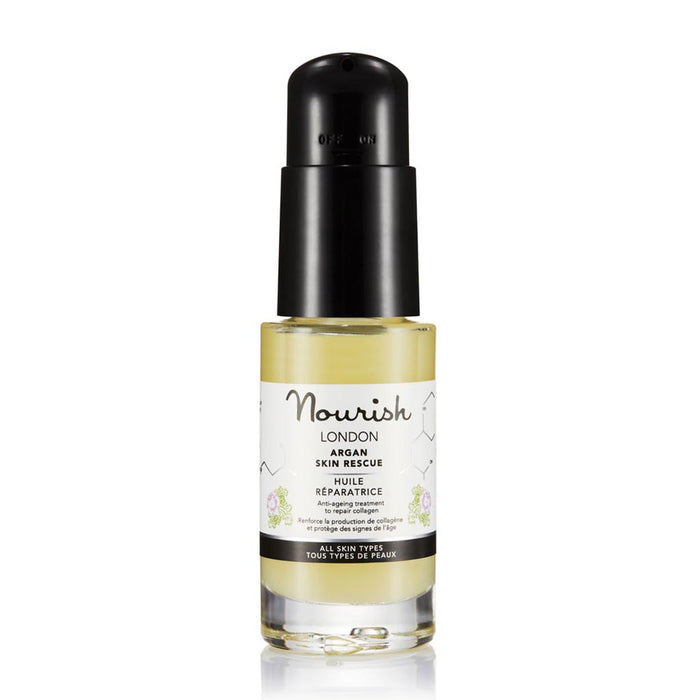
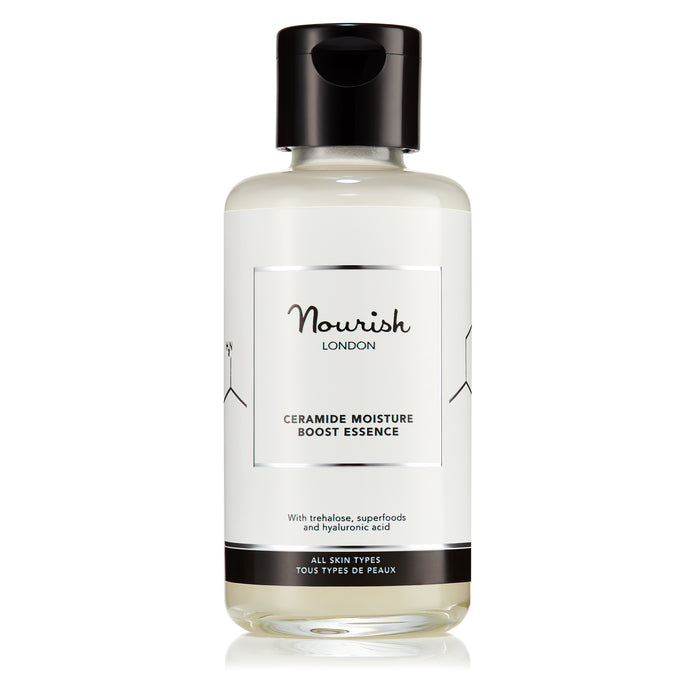
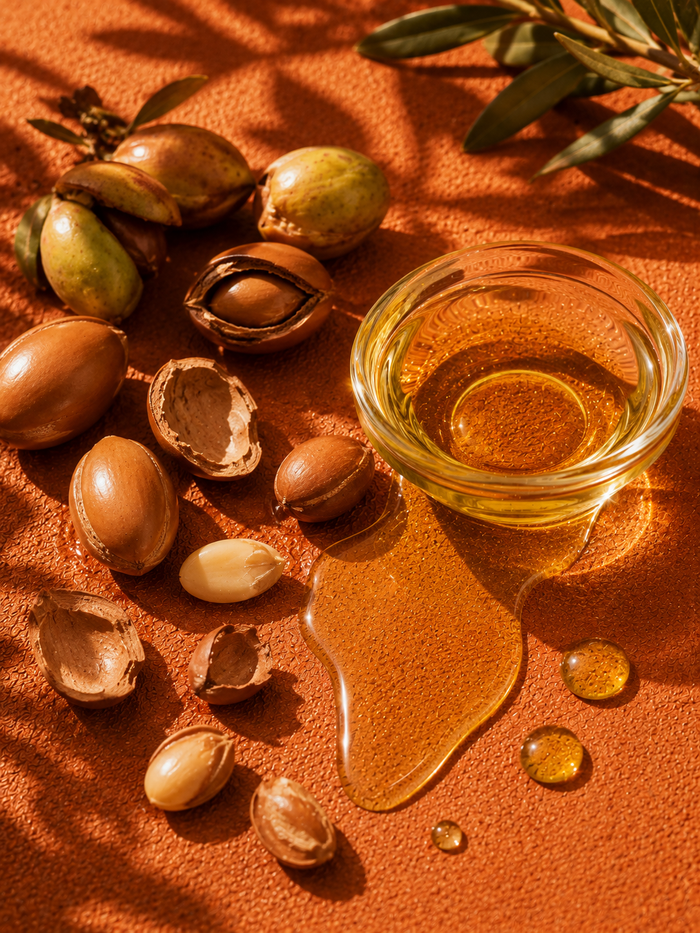
Hyaluronic acid and glycerin are well-known humectants. Ceramides help form the natural lipid structure between skin cells, while carefully formulated plant oils can provide emollience and improve the feel of dry skin. These are complementary approaches, not competing trends. Our Hyaluronic Acid, Argan Oil and Abyssinian Oil ingredient guides explain their individual roles.
Give active treatments a little room
If your skin is unusually sore or reactive, consider reducing exfoliating treatments and introducing new products more slowly. You can return to a more elaborate routine when your skin is comfortable and tolerating the basics. There is no prize for using the most active ingredients at once.
Do not forget sun protection
UV exposure is another reason to protect skin consistently. In the UK, NHS advice is to choose sunscreen with at least SPF 30 and adequate UVA protection, alongside shade and protective clothing when needed. Sun protection belongs in a morning routine even if the rest of that routine is deliberately simple.