Benefits
Softens and cushions dry-feeling skin
Reduces water loss, supports barrier
Absorbs quickly with a silky finish
Offers antioxidant environmental support
Best For
Oily and combination skin
Skin needing barrier support
Leave-on formulations
What Is Abyssinian Oil?
Not every plant oil needs to feel rich and heavy to work well. Abyssinian oil, pressed from the seeds of Crambe abyssinica, a member of the same family as cabbage and broccoli, has built its reputation on the opposite approach: a light, fast-absorbing texture that still delivers real emollience, softness and barrier support for skin.
Also listed as Crambe Abyssinica Seed Oil, it is extracted from the seeds of Crambe abyssinica, a Brassicaceae plant traditionally grown in Northeast Africa and now cultivated more widely as a specialty oilseed crop. The oil is obtained either by cold-pressing or solvent extraction, then filtered and refined for cosmetic use.
How It Works
Abyssinian oil's performance comes down to its distinctive fatty acid makeup.
Erucic acid, a long-chain omega-9 fatty acid, is the dominant fatty acid in Abyssinian oil, with one study finding it made up around 64% of the oil's fatty acid content (Lalas et al., 2012). Its long carbon chain is what gives the oil its signature light, silky, fast-absorbing feel rather than a heavy or greasy one.
Alongside erucic acid, the oil contains linoleic and oleic acids, which help reinforce the skin's moisture barrier and reduce transepidermal water loss. It also carries natural antioxidant compounds that help protect skin from everyday environmental stressors, and its long-chain fatty acid profile makes it comparatively resistant to oxidation next to many other plant oils, supporting a more stable shelf life in finished formulas.
Why Formulation Matters
Abyssinian oil is generally considered a low-maintenance ingredient to formulate with, but a few things still shape how well it performs.
Cold-pressing better preserves the oil's natural properties, while solvent extraction can offer higher yields, and the choice affects the quality of the finished oil. Its light, non-greasy afterfeel makes it easy to blend into facial oils, serums, moisturisers, conditioners and styling products without weighing formulas down, and it is resistant to rancidity and heat during use, supporting a stable shelf life.
Scientific Notes
Abyssinian oil is generally regarded as safe for topical use, with low irritation potential reported and no specific regulatory restrictions at typical cosmetic use levels (Lalas et al., 2012).
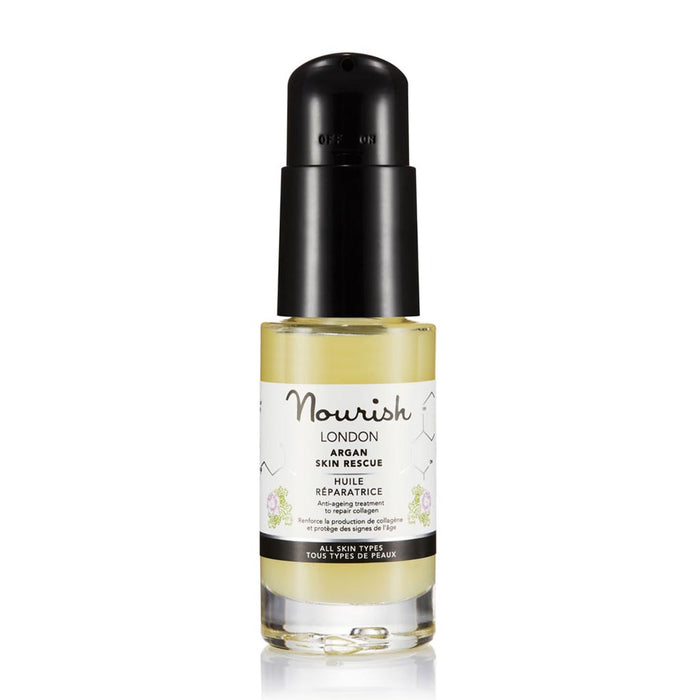
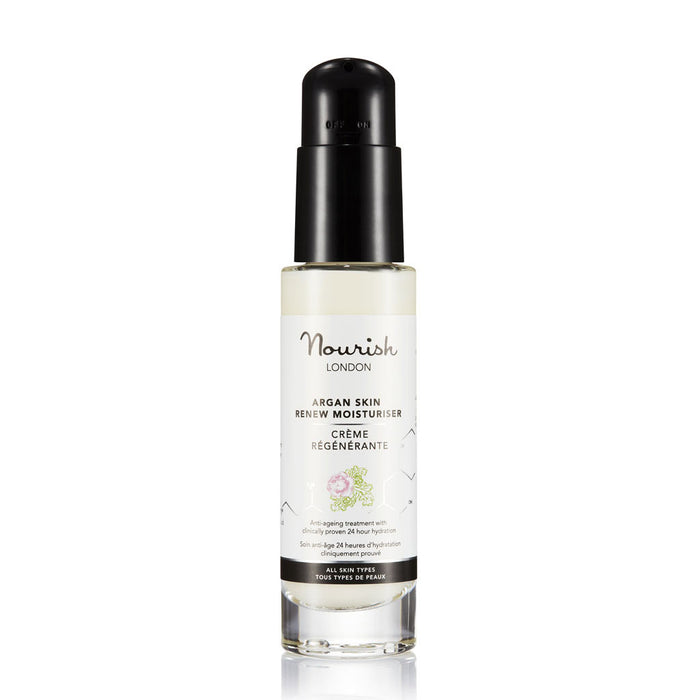
Abyssinian oil is one of the key emollients in two of Nourish London's clinically tested formulas. Argan Skin Rescue Face Oil was independently tested measuring transepidermal water loss across 15 healthy volunteers, significantly reducing water loss versus an untreated control at every timepoint measured (Aspen Clinical Research, 2012). Argan Skin Renew Moisturiser was independently tested measuring skin hydration across 20 evaluable subjects over 24 hours, significantly outperforming an untreated control at every timepoint, with hydration up 85.2% at 2 hours and 27.5% at 24 hours versus baseline (Alba Science Ltd, 2013). Both trials evaluated the complete finished formulas, with Abyssinian oil working alongside the other actives in each product to help deliver these results.
Products With Abyssinian Oil