Skin Concern

Understanding Menstrual Cycle Skin Changes

Cyclical shifts in oestrogen, progesterone, and testosterone alter the skin's barrier, hydration, and sebum levels across a 28-day loop. Rather than being a fixed skin type, this is a skin state that changes shape week to week, meaning the right routine on one day may not be the right routine a week later.

At Nourish London, this is supported with a flexible approach, layering barrier-supporting ingredients such as ceramides during drier phases with clarifying, oil-balancing formulas during congested phases, so the skin is met with what it needs at each stage of the cycle.


What Is Menstrual Cycle Changes?

A shifting skin state that moves through three broad phases across the cycle: dry and sensitive during the period, vibrant and balanced during the follicular phase, and congested and acne-prone during the luteal phase.

Because these shifts are driven by hormones rather than a single underlying skin type, the same person may need noticeably different skincare from one week to the next, even without changing anything else about their routine or environment.

Signs and Symptoms

Signs tend to shift with the phase of the cycle rather than remaining constant, and commonly include:

  • Cyclical jawline acne
  • Sudden oily T-zone
  • Dehydration flares
  • High sensitivity

Common Causes

Oestrogen drops lower the skin's natural defences, leaving it more prone to sensitivity and moisture loss, while progesterone surges swell the skin and trap sebum inside pores, contributing to congestion and breakouts later in the cycle.

Because these hormonal shifts follow a predictable monthly pattern, many people find it helpful to sync their routine to the cycle, using soothing, barrier-supporting formulas during drier phases and clarifying treatments when the skin runs oilier.

Recommended Products

Frequently Asked Questions

What is the difference between hormonal skin changes and a regular skin type?
It is dynamic; unlike fixed skin types, hormonal skin alters its oil and moisture levels weekly.
What ingredients are helpful for hormonal skin changes?
Gentle chemical exfoliants for oil phases; barrier lipids (ceramides) for dry phases.
How often should I adapt my routine?
Adapt your active ingredients one to two times a week based on whichever phase your cycle is in.
Can over-cleansing make hormonal skin changes worse?
Yes, over-washing during the low-oestrogen phase strips thin skin and spikes painful redness.
Should I use a face oil during my cycle?
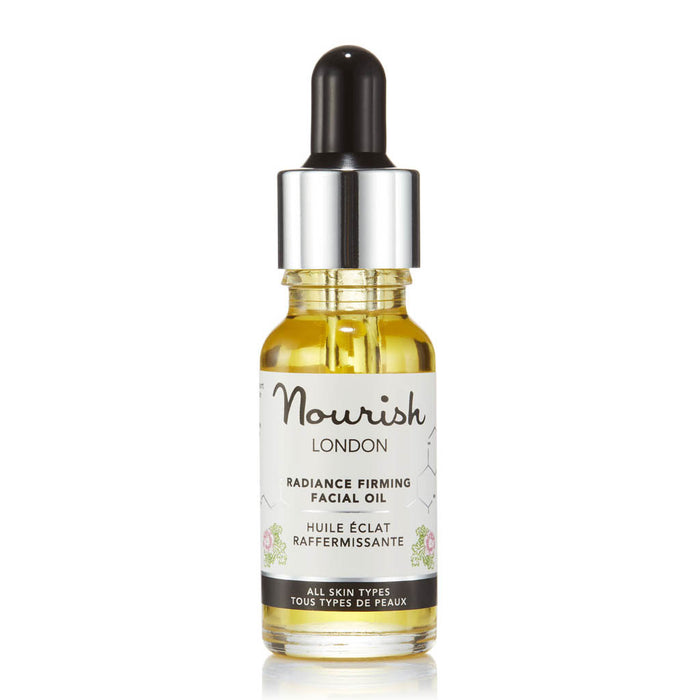
Only use lightweight, non-comedogenic oils during the dry menstrual week to lock in moisture.