Skin Concern

Understanding Blackheads

Blackheads form when the natural exit of a pore becomes blocked by a dense mixture of solidified sebum and dead skin cells. When this blockage reaches the skin surface, exposure to oxygen causes it to darken. A targeted clean-clinical routine focuses on liquefying this lipid plug inside the follicle, preventing oil oxidation, and naturally tightening the pore structure without physical trauma.

What Is Blackheads?

Blackheads, scientifically classified as open comedones, represent the initial non-inflammatory phase of acne vulgaris. Structurally, the pilosebaceous duct undergoes follicular hyper-keratinisation, where abnormal desquamation yields sticky corneocytes. These cells fuse with overproduced sebum, forming a rigid keratotic plug. The distinct dark hue is not dirt, but the biochemical result of lipid and melanin oxidation (peroxidation) upon atmospheric exposure.

Signs and Symptoms

Blackheads primarily concentrate across high-lipid zones of the face, characterised by:

  • Small, slightly elevated dark or black specks clustered on the nose, chin, and forehead
  • Visible follicular openings that appear expanded or dilated
  • Rough, uneven skin texture to the touch
  • Absence of localised pain, swelling, or redness (unless infected)
  • Accompanying surface oiliness and shine

Common Causes

Comedogenesis is driven by structural cellular shifts and lipid chemical reactions, including:

  • Retention hyper-keratinisation (cells failing to shed inside the pore)
  • High levels of squalene and free fatty acids in the sebum composition
  • Sebum peroxidation triggered by UV radiation and environmental pollution
  • Improper makeup removal or use of heavy, comedogenic synthetic oils
  • High androgen levels thickening the consistency of natural lipids

Self-care: try double cleansing, and avoid harsh pore strips.

Recommended Products

Frequently Asked Questions

What are blackheads and what causes them?
Blackheads are open pores plugged with a mix of dead skin and sebum. The dark colour is simply oil that's oxidised on contact with the air.
Why do blackheads keep coming back in the same spot?
Once a pore wall has been stretched by debris, oil tends to pool back in that same spot until the skin's structural elasticity restores itself.
How can I remove blackheads safely without damaging my skin?
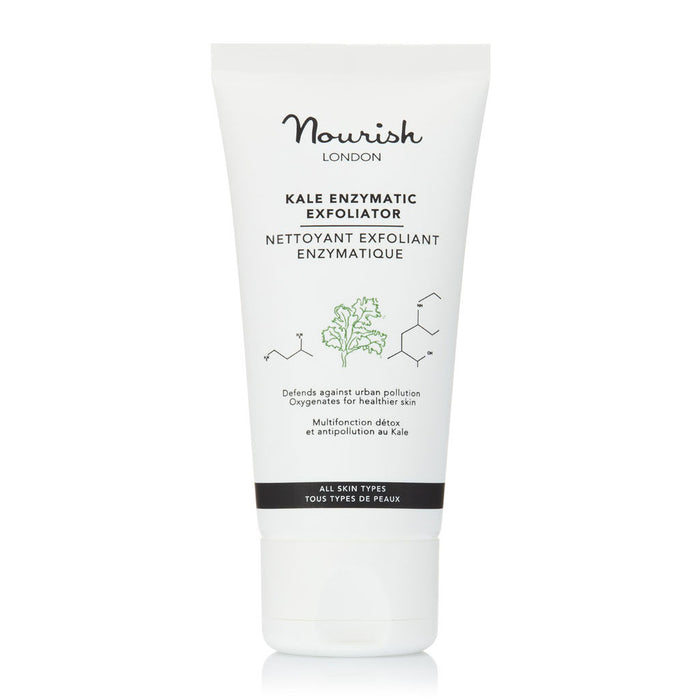
Gentle plant enzymes work well to dissolve the plug. The pomegranate enzymes in our Kale Enzymatic Exfoliator lift impurities without tearing at the skin barrier.
Do pore strips actually clear blackheads permanently?
No. Pore strips pull aggressively at the skin's surface, stretching the pore walls further and causing long-term structural damage.
What is the best long-term skincare routine to prevent blackheads?
Daily, a niacinamide serum helps keep sebum flowing freely. Weekly, a vitamin-rich, natural exfoliating mask clears away dead skin cells before they have a chance to clog the pore.