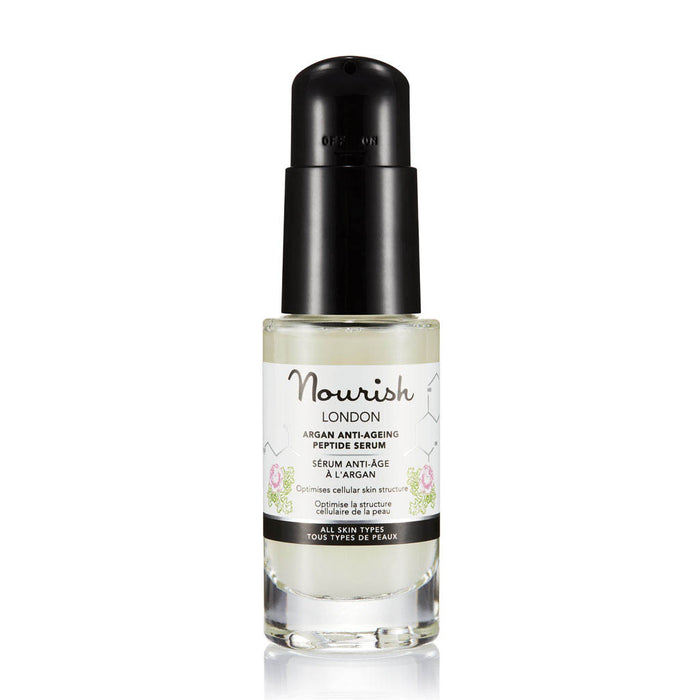
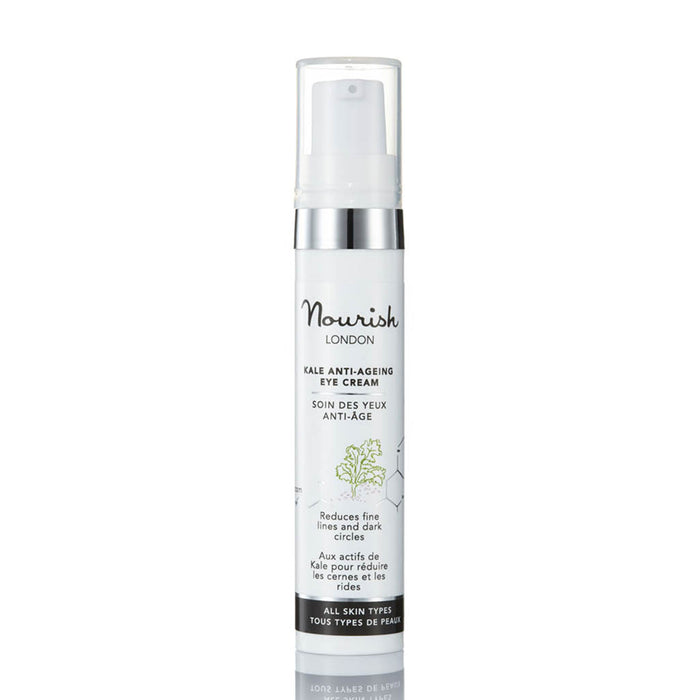
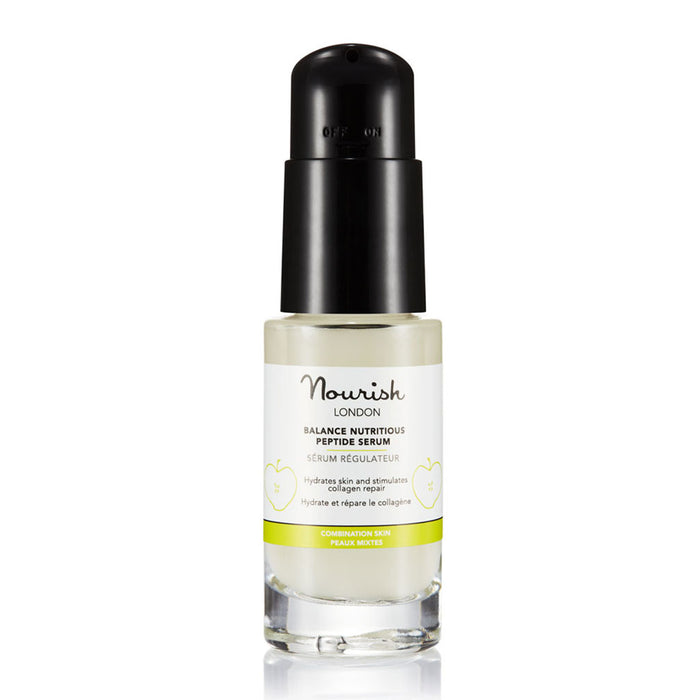
The individual vitamins in this complex are well represented in the published cosmetic science literature. A 2006 clinical study by Draelos et al. found that topical 2% niacinamide reduced facial sebum production over 2–6 weeks of use, and separate research, including work by Bissett et al. (2004) and Hakozaki et al. (2002), has studied niacinamide's role in supporting a more even-looking skin tone and reducing the visible appearance of fine lines and blotchiness.
Sodium ascorbyl phosphate, a stable vitamin C derivative, has been studied by Klock et al. (2005) for its antioxidant activity and formulation use for oily, blemish-prone skin. A well-known photoprotection review by Fuchs (1998) describes the antioxidant relationship between vitamin C and vitamin E, in which vitamin C is understood to help regenerate spent vitamin E, extending its antioxidant activity, though some later human studies have not found a significant synergistic effect, so this is presented as an established mechanism of interest rather than a proven clinical benefit for this specific formula.
Pantothenic acid derivatives, such as dexpanthenol, a closely related Vitamin B5 ingredient, have been studied by Ebner et al. (2002) for skin barrier repair and moisturising benefits.
Vitamin B6's role here is understood through its general metabolic function rather than a specific clinical efficacy claim. Topical vitamin B6 products with sebum-regulating claims exist in the EU pharmacy channel as licensed medicines for seborrhoeic dermatitis, so no efficacy claim is made for it in this formula; it is included and described as a supportive B-vitamin only.
These studies relate to the individual vitamin actives, several of which were conducted on people with diagnosed skin conditions such as acne vulgaris, and are not trials of this specific Nourish London blend or finished product. Nourish London products are cosmetics, not medicines, and are not intended to diagnose, treat, cure, or prevent any skin condition.