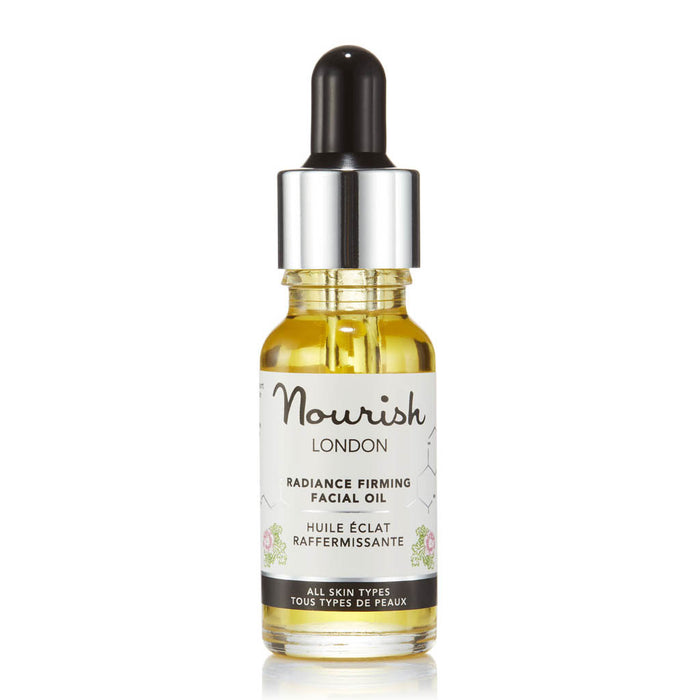
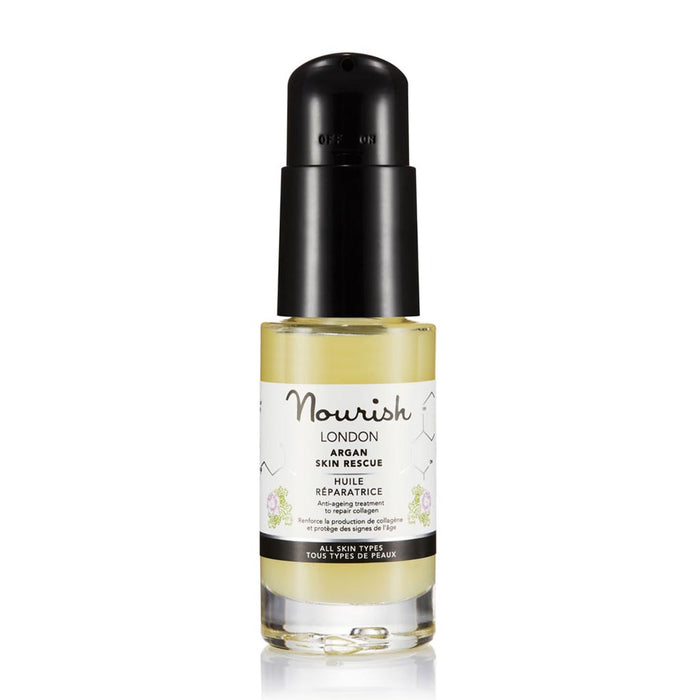
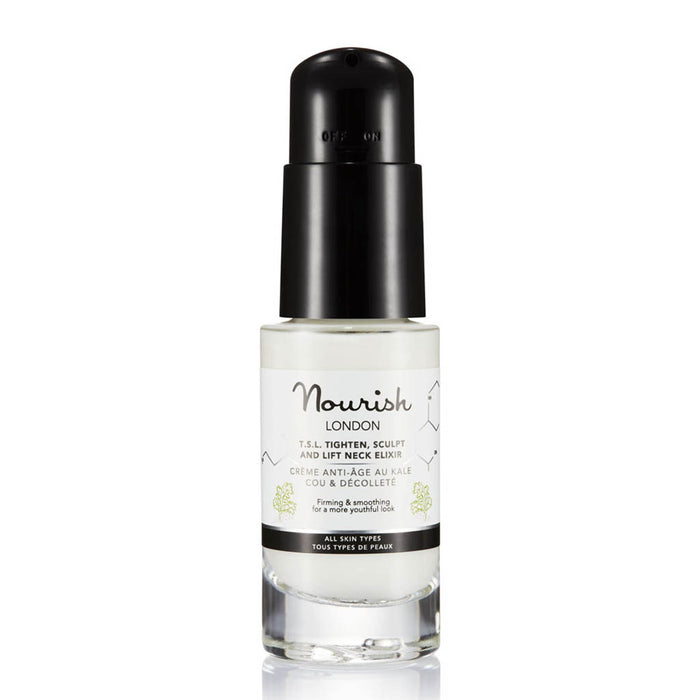
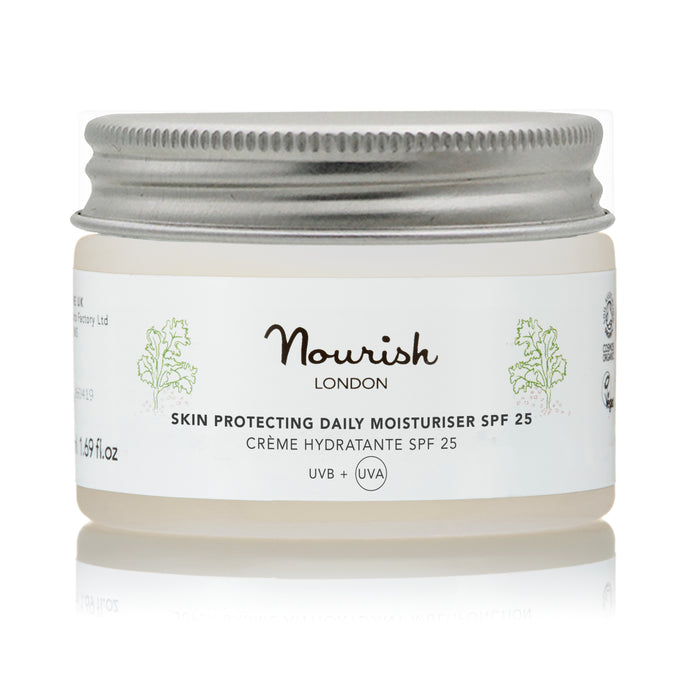
Benefits
Lightweight, non-comedogenic emollient
Supports barrier, reduces moisture loss
Provides antioxidant protection
Suited as a carrier oil
Best For
Normal, oily, acne-prone skin
Dry skin needing barrier support
What Is Sunflower Oil?
Sunflower oil, pressed from the seeds of Helianthus annuus, is one of the most widely produced vegetable oils in the world, and one of the better-studied plant oils when it comes to skin. It is lightweight, non-comedogenic, and rich in linoleic acid and vitamin E.
It is extracted from sunflower seeds, most commonly from the common sunflower, typically via cold-press extraction. It contains oleic acid, linoleic acid, vitamin E and sesamol, and is classified as a carrier oil, meaning it is often used as a base for blending with more concentrated essential oils.
How It Works
Linoleic acid, sunflower oil's dominant fatty acid in most commercial varieties, helps maintain the skin's natural barrier and supports its ability to retain moisture. Topically, it also has an anti-inflammatory effect, which is part of why it is of interest for dry skin and eczema-prone skin.
Vitamin E in sunflower oil helps protect skin from free radical damage linked to sun exposure and premature ageing. The oil is also highly absorbent and doesn't tend to clog pores, making it suitable across dry, normal, oily and acne-prone skin in adult use.
Oleic acid, present in some sunflower oil varieties and more dominant in high-oleic cultivars bred specifically for this trait, can help other actives penetrate more effectively into skin, which is why oleic-acid-rich infusions are sometimes used to enhance topical drug delivery (Lim et al., 2025).
Why Formulation Matters
Sunflower oil isn't one fixed fatty acid profile. Standard varieties are dominated by linoleic acid, while high-oleic cultivars (roughly 70-80% oleic acid) have been specifically bred for a different fatty acid balance, and the two behave differently on skin.
As with most plant oils, cold-pressed, minimally processed sunflower oil is generally preferred in formulation.
Scientific Notes
Research into infant skin shows a more mixed picture than sunflower oil's generally well-tolerated profile in adult skincare use. Some studies in full-term neonates show reduced water loss through the skin and improved hydration, while studies in preterm infants suggest it may improve hydration in the short term while potentially delaying the skin barrier's natural maturation (Kanti et al., 2014). A large cluster-randomised trial in Nepal comparing sunflower oil with mustard oil found no significant difference in erythema, rash or dryness between the two groups, with both showing a similar pattern of change over the study period (Summers et al., 2019).
This reinforces that infant skin, with its still-developing barrier, shouldn't be assumed to respond the same way as mature skin (Noveir et al., 2024).
Products With Sunflower Oil