Pumpkin Seed Oil: A Naturally Structured Emollient for Barrier Support

A naturally emulsified oil rich in linoleic acid and native antioxidants, pumpkin seed oil is formulated to reinforce the skin's barrier and help defend against everyday environmental stress.

As Dr Pauline Hili, Nourish London's founder and formulator, explains: "Pumpkin seed oil is an excellent oil in formulation because it is packed with essential fatty acids and vitamins crucial for skin health."

Benefits

Supports the skin barrier Delivers natural antioxidant protection Supports smoother emulsion textures Compatible with sebaceous lipid chemistry Well-tolerated for daily use

Best For

Dry, barrier-compromised skin Environmentally stressed skin Combination skin Formulations avoiding synthetic emulsifiers

What Is Pumpkin Seed Oil?

Most botanical oils used in skincare are extracted as a simple liquid lipid fraction. Pumpkin seed oil is different. In its natural state within the seed, it exists as microscopic "oil bodies," droplets of triglyceride wrapped in a protective phospholipid-protein membrane.

Pumpkin seed oil is a fixed vegetable oil derived from the seeds of Cucurbita species (commonly C. maxima, C. moschata and C. pepo). It is dominated by linoleic acid, with significant oleic acid content, and carries a notably high load of naturally occurring tocopherols and carotenoids, the compounds responsible for its deep green-orange colour and much of its antioxidant activity.

How It Works

Pumpkin seed oil supports skin through a combination of structural and biochemical mechanisms.

Like other linoleic-acid-rich oils, it feeds into ceramide synthesis in the epidermis. Low linoleic acid availability has been linked to impaired barrier function and a more permeable, irritation-prone skin surface (Wertz et al., 1983).

Its tocopherol and carotenoid content gives pumpkin seed oil measurable radical-scavenging capacity, helping to combat the oxidative stress driven by UV exposure and pollution before it damages skin lipids and proteins (Al-Turky et al., 2024). Linoleic acid is also preferentially used by the sebaceous gland to help synthesise squalene and wax esters, aligning the oil's chemistry with the skin's own lipid production pathway (Pappas et al., 2002).

As the oil is naturally compartmentalised into protein-membrane-bound droplets rather than existing as free lipid, extracted pumpkin seed oil bodies behave as ready-made oil-in-water emulsions, pseudoplastic, shear-thinning systems that can help formulators achieve smoother, more stable textures (Duan et al., 2025).

Why Formulation Matters

Pumpkin seed oil's performance is unusually sensitive to how it's extracted and handled. Comparing three aqueous extraction media found real differences in the resulting oil bodies, with a genuine trade-off between stability, texture and oxidative resistance depending on how the oil is drawn out (Duan et al., 2025).

Comparative analysis of two pumpkin species found C. maxima seed oil had the strongest radical-scavenging capacity and the highest tocopherol content, while C. moschata carried more carotenoids, meaning the antioxidant character of a pumpkin seed oil can shift depending on which species it's sourced from (Al-Turky et al., 2024).

As with other polyunsaturated oils, the multiple double bonds in linoleic acid leave pumpkin seed oil prone to oxidation if not properly stabilised, making sourcing, storage and packaging important to preserving its actives through shelf life.

Scientific Notes

Blending trials found that adding a relatively small proportion, around 10%, of high-antioxidant pumpkin seed oil into a more oxidation-prone carrier oil measurably slowed the onset of oxidative degradation, based on peroxide, acid and iodine value tracking during heating (Al-Turky et al., 2024). This "antioxidant carrier" behaviour is one reason pumpkin seed oil is increasingly explored not just as a standalone emollient, but as a stabilising co-ingredient in oil blends.

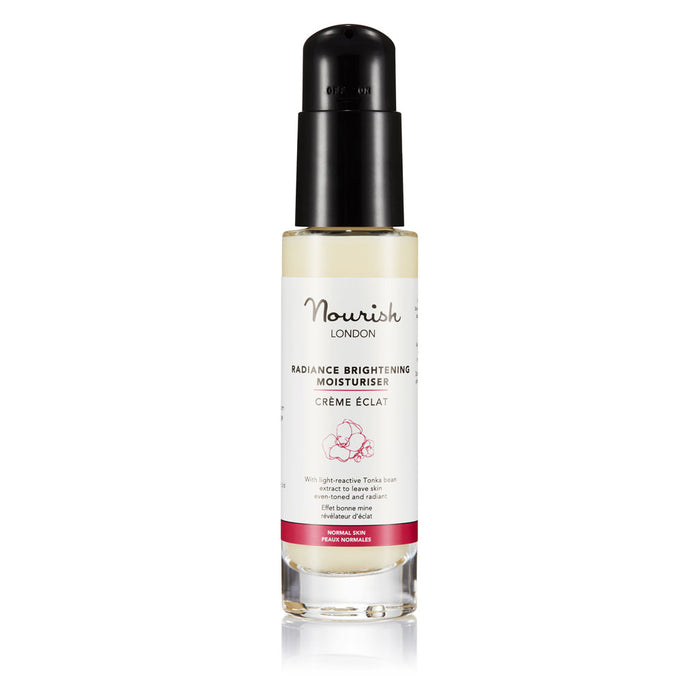
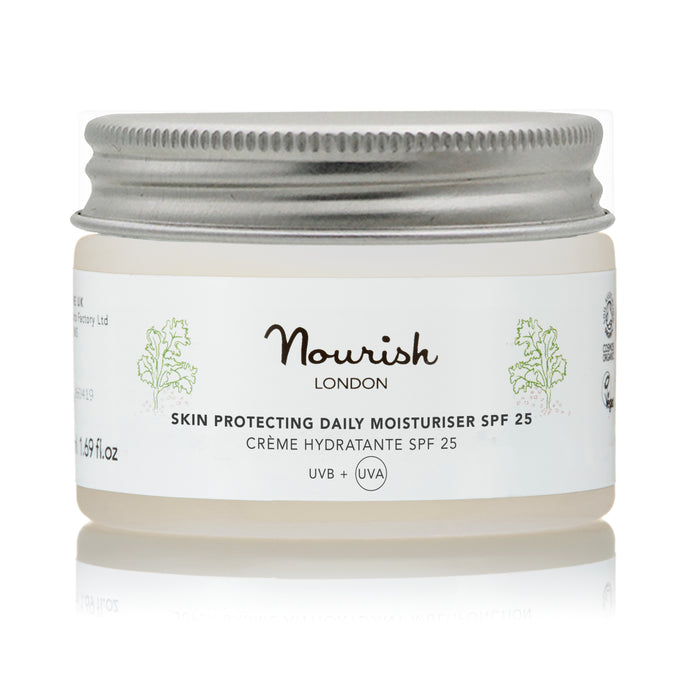
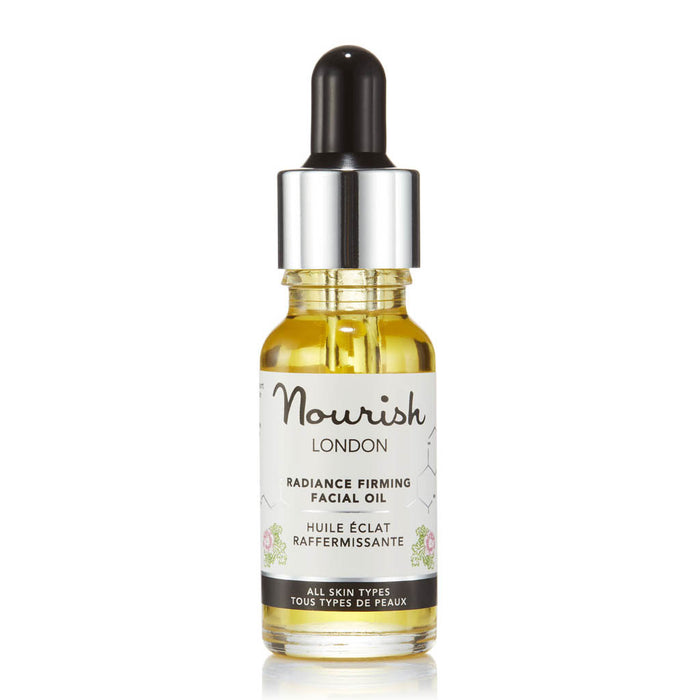
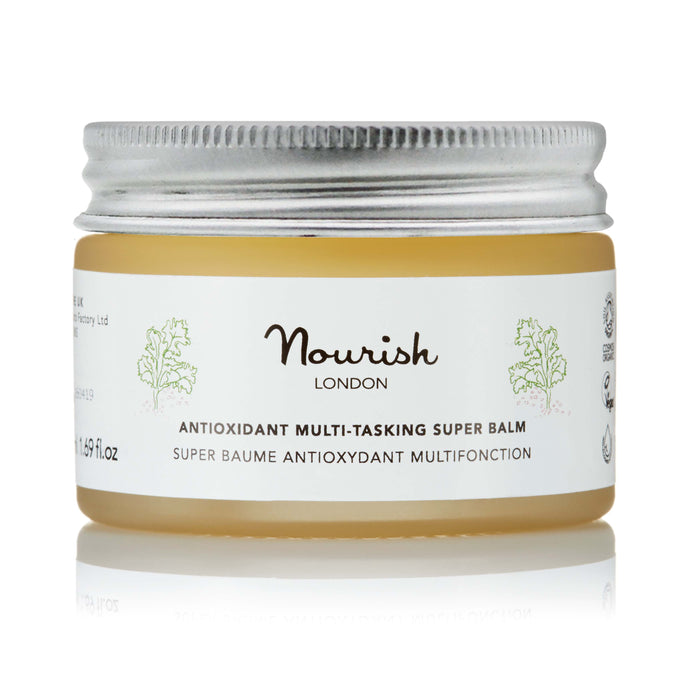
Products With Pumpkin Seed Oil