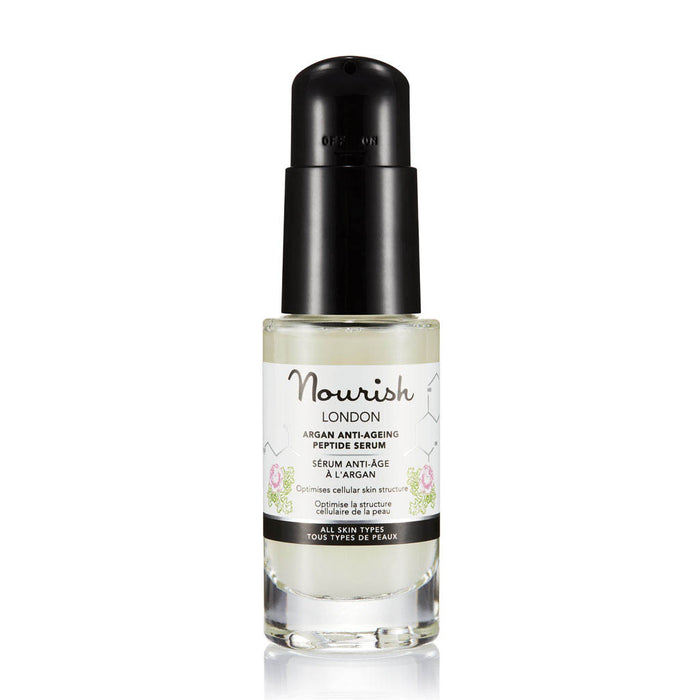
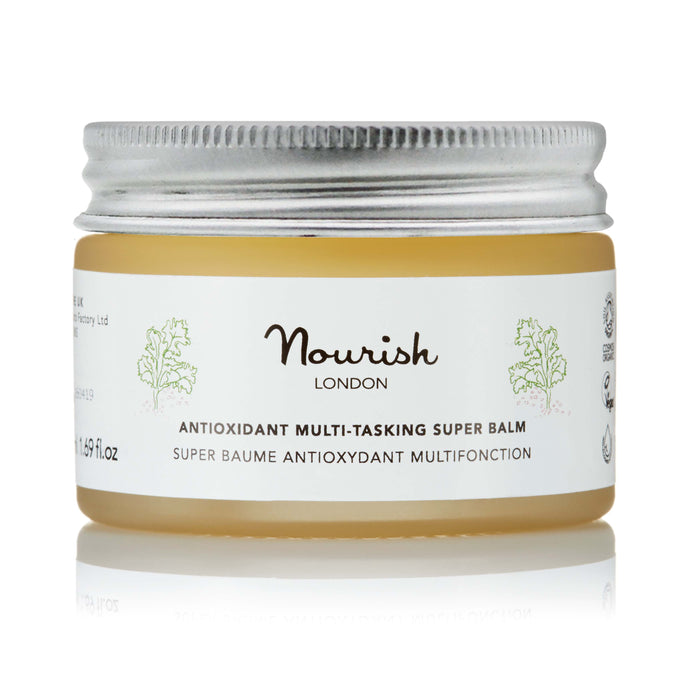
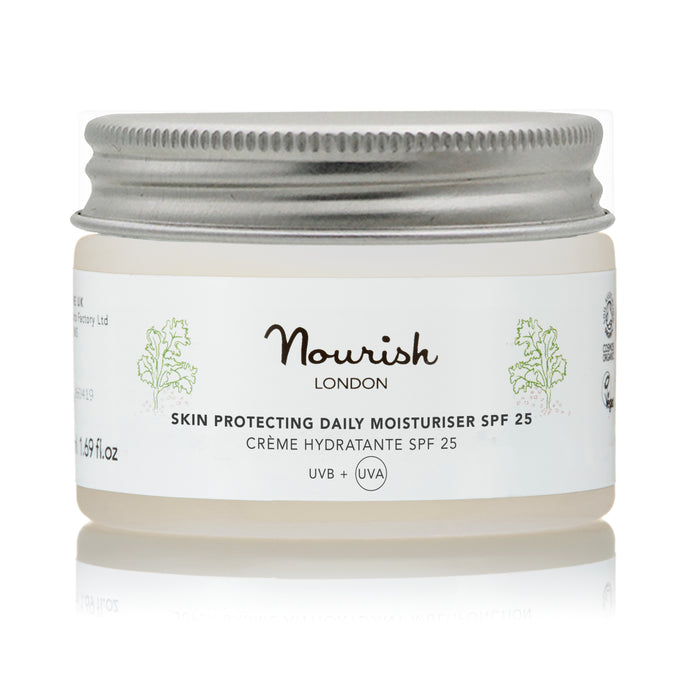
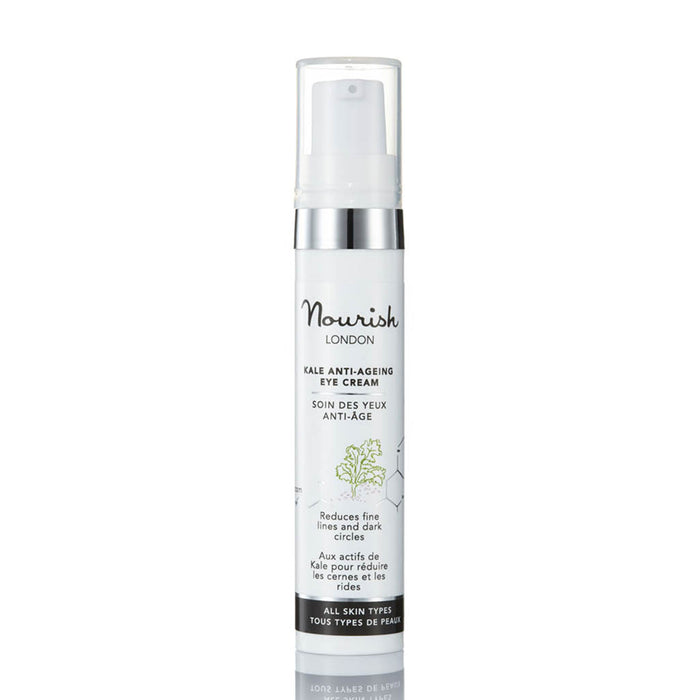
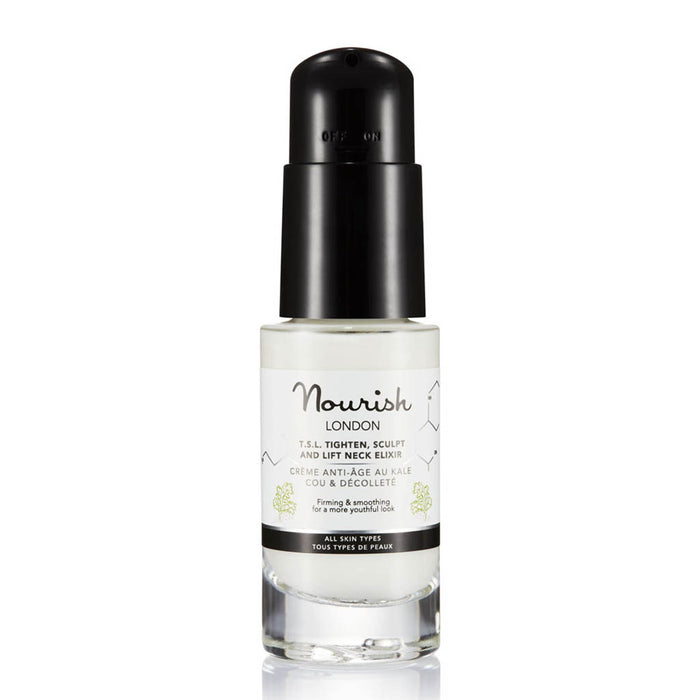
Kale Extract contains several components that make it a valuable addition to topical formulations. Sulfur-containing compounds are associated with the body's natural cellular defence pathways and free-radical neutralisation, while carotenoids play a role in protecting cells from the effects of UV radiation, and polyphenols are associated with calming the visible effects of environmental stress.
Kale is recognised in the wider scientific literature for its dense concentration of vitamins, minerals, glucosinolates, polyphenols and carotenoids relative to other leafy vegetables, as outlined in a 2025 integrative review by Łukaszyk et al. Peer-reviewed analysis by Lučić et al. (2023) has confirmed kale extract's high phenolic content and significant antioxidant activity, identifying kaempferol and quercetin among its principal compounds. A 2026 laboratory study by Valisakkagari and Rupasinghe found that kale extract significantly reduced UV-induced reactive oxygen species in human skin fibroblasts, supporting its potential as a protective ingredient against UV-related cellular stress.
Glucosinolates, the defining compounds of the Brassica genus, break down into active molecules such as isothiocyanates and sulforaphane when plant tissue is disrupted, compounds associated with activating the body's natural cellular defence pathways and neutralising free radicals. Kale also contains some of the highest concentrations of carotenoids in the plant kingdom, including lutein, zeaxanthin and beta-carotene, fat-soluble pigments studied for filtering high-energy light and supporting cells against oxidative stress.
Its polyphenols and flavonoids, particularly quercetin and kaempferol, offer structural protection against environmental stressors and are studied for their calming properties and role in supporting collagen. Hydroxycinnamic acids such as ferulic, caffeic and sinapic acid help stabilise other antioxidants like vitamin C. Kale also supplies essential vitamins and minerals, including vitamin C for collagen synthesis, vitamin K1 for circulation, and calcium, magnesium and potassium to support cellular hydration and balance.
Although still a relatively new ingredient in skincare, this growing body of research shows promising potential.