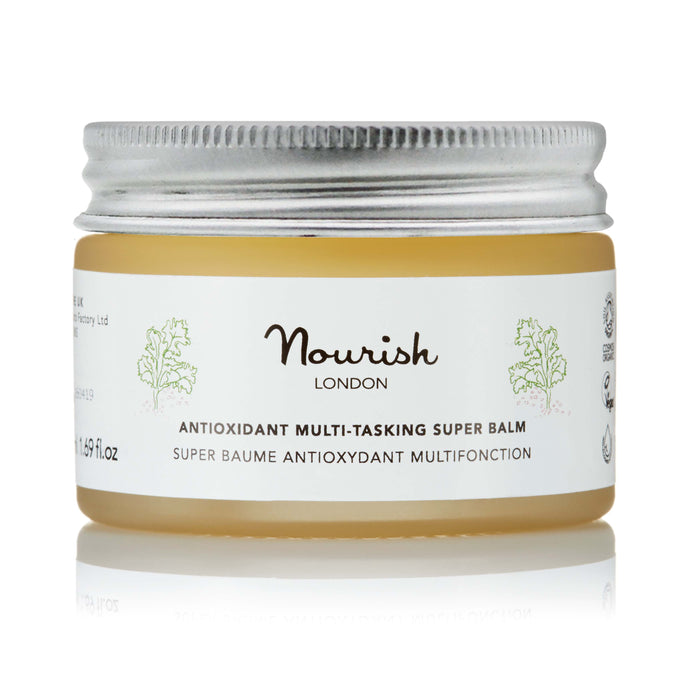
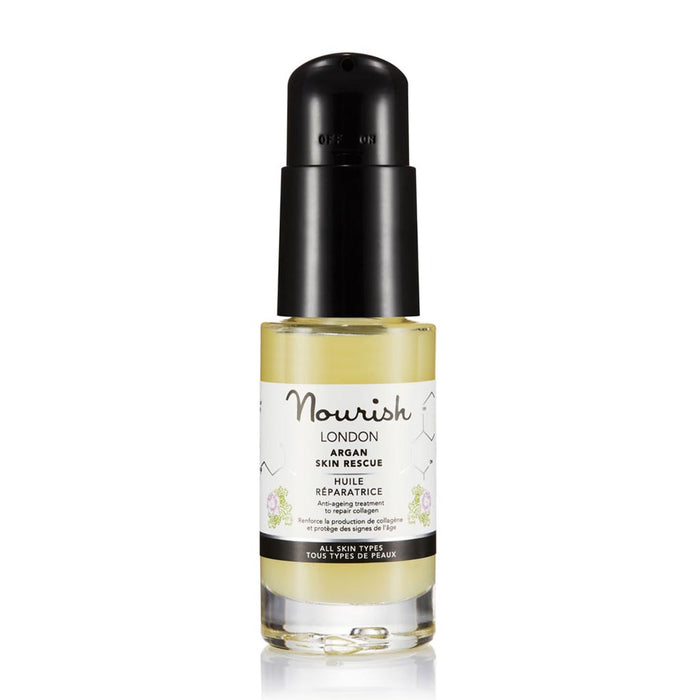
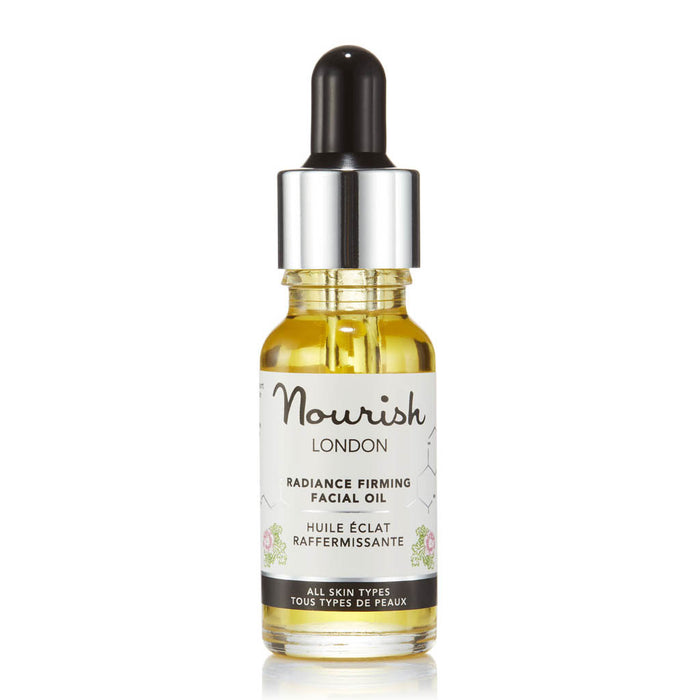
Benefits
Replenishes essential fatty acids
Rich in rare GLA content
Lightweight, fast-absorbing, no residue
Helps skin hold onto moisture
Best For
Dry, reactive or sensitive-looking skin
Skin lacking suppleness or comfort
Skin needing fatty acid replenishment
What Is Evening Primrose Oil?
Cold-pressed from the seeds of Oenothera biennis, a flowering plant native to North America, evening primrose oil has a long history of traditional use. It is used extensively in skincare formulations for the unique beneficial qualities its fatty acid profile offers.
Evening primrose oil is characterised by its rich linoleic acid content (typically 65-80%), alongside a high proportion of gamma-linolenic acid, or GLA (typically 8-14%), a fatty acid rarely found at this concentration in other plant oils. It also contains oleic acid and natural tocopherols.
How It Works
Linoleic acid is a key structural component of the skin's own lipid barrier, feeding into ceramide synthesis in the epidermis. Adequate levels are consistently associated with smoother, more resilient-looking skin texture (Wang et al., 2024).
GLA, a precursor in the omega-6 pathway, is of particular interest in skin research for its role in supporting the skin's comfort and suppleness, especially in dry or reactive-looking skin. In a randomised, placebo-controlled trial in rosacea patients, oral GLA supplementation alongside standard treatment was associated with measurable improvements in skin barrier hydration and a reduction in transepidermal water loss (Kim et al., 2020).
Evening primrose oil's lightweight fatty acid profile allows it to absorb readily without leaving a heavy residue.
Why Formulation Matters
As evening primrose oil is rich in polyunsaturated fatty acids, it is naturally more prone to oxidation than oils dominated by monounsaturated or saturated fatty acids. Care should be taken when it is exposed to heat, light and air, due to its sensitivity to oxidation, rancidity and degradation.
A comparative analysis of cold-pressed PUFA-rich oils found evening primrose oil formed a less stable molecular film at the oil-water interface than more saturated oils such as pumpkin seed oil, translating to faster oxidative degradation under thermal stress, which is the formulation science behind why it is always paired with antioxidant support (Kamińska et al., 2025).
Separately, blending evening primrose oil into a more oxidatively vulnerable carrier oil at a modest inclusion level has been shown to meaningfully slow lipid peroxidation over a 30-day storage period, performing comparably to a synthetic antioxidant at higher concentrations. This supports evening primrose oil's role not just as a standalone active, but as a stabilising co-ingredient in blends, the same formulation logic applied to pumpkin seed oil elsewhere in the range (Fecker et al., 2025).
Scientific Notes
Evening primrose oil has been widely studied for its essential fatty acid content, with research pointing to a role in supporting skin barrier comfort and suppleness, particularly for dry or sensitive-looking skin. Its GLA content has been of long-standing interest in both nutritional and topical skin research.
A separate study on systemic evening primrose oil supplementation reported improvements in biophysical skin parameters in healthy adults. This evidence relates to oral rather than topical use and is included here for background context only (Muggli, 2005).
Products With Evening Primrose Oil