Benefits
Defends against glycation-related stiffening
Neutralises free radicals and oxidative damage
Supports firmer, more resilient-looking skin
Calms visible redness and irritation
Works well with other peptides and antioxidants
Suitable for most skin types, including sensitive skin
Best For
Mature skin
Environmentally stressed skin
Urban-exposed skin
Dull skin
Firmness-depleted skin
Sensitive skin
What Is Carnosine?
Carnosine is a naturally occurring dipeptide made from two amino acids joined together, beta-alanine and L-histidine, a simple pairing that gives the molecule its distinctive reactivity toward sugars, aldehydes and free radicals.
The body produces carnosine on its own, concentrating it in tissues with high metabolic turnover such as muscle and brain. In skincare, it is manufactured synthetically to mirror the body's own version, appearing as a water-soluble white to off-white powder that is added directly into water-based formulas.
Because carnosine works by protecting the skin's own proteins rather than forcing rapid change, it is broadly well tolerated and suitable for most skin types, including sensitive skin.
How It Works
Carnosine protects skin proteins through several overlapping actions rather than a single mechanism. It competes with skin proteins for reactive sugar molecules and aldehydes, intercepting them before they can bind to collagen and form the stiff, yellowed structures known as advanced glycation end-products, or AGEs.
As a non-enzymatic antioxidant, it also scavenges hydroxyl and other reactive oxygen species directly, while binding metal ions such as copper and zinc that would otherwise fuel further oxidative damage.
Laboratory studies on cultured human fibroblasts have shown carnosine can extend the cells' natural division capacity and shift aged, senescent-looking cells back toward a more youthful state, meaning it works upstream of visible ageing, protecting the proteins and cells responsible for skin structure before damage accumulates.
Why Formulation Matters
Carnosine is a straightforward ingredient to formulate with, provided a couple of standard formulation basics are respected. It is an easy peptide to add into the aqueous phase of a formula, and it combines well with other peptides and active ingredients.
Ideally, the pH of the formula should remain between 5 and 7 to prevent hydrolysis, since maintaining this balance is what allows carnosine to remain stable and active once the product reaches the skin.
At Nourish London, this manufactured, vegan peptide is combined with complementary actives such as antioxidants and other peptides to help protect the skin from the effects of glycation while supporting overall formulation stability.
Scientific Notes
Carnosine's most distinctive skin benefit is its direct action against glycation, the process by which sugars bind to collagen and elastin to form AGEs, the rigid structures responsible for stiffening, yellowing and reducing the elasticity of ageing skin. Early work by Hipkiss (1998) established carnosine's anti-ageing potential, and more recent research continues to expand on the mechanisms behind this activity, including its role in supporting macrophage-mediated clearance of senescent skin cells.
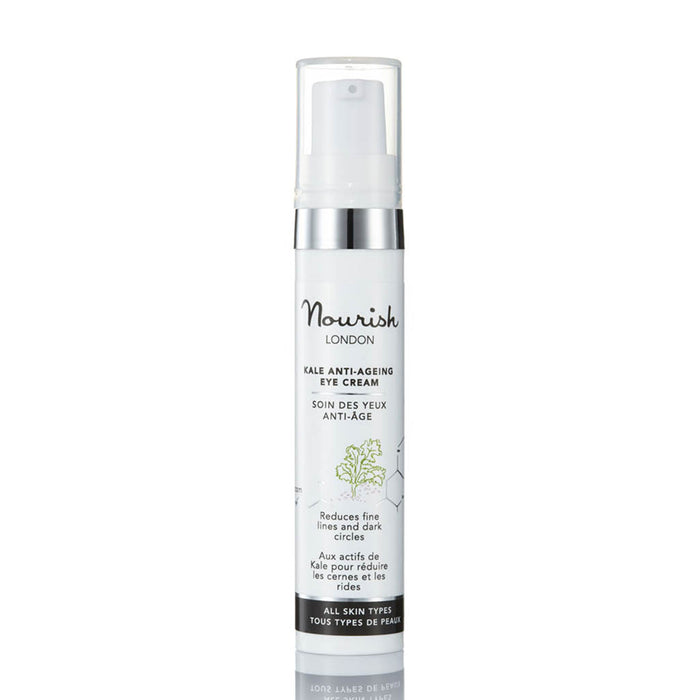
In an independent 28-day trial conducted by Surface Imaging Solutions using a Visia Complexion Analysis Camera, a trial participant using Nourish London's Kale Anti-Ageing Eye Cream saw their wrinkle score fall from 36.0 to 20.5, with their overall skin age score improving from six years above their actual age to four years above.
A 2024 clinical study presented at the American Academy of Dermatology found that a combination of retinol, carnosine and soothing ingredients delivered antioxidative and anti-glycation benefits over a 14-week period.